
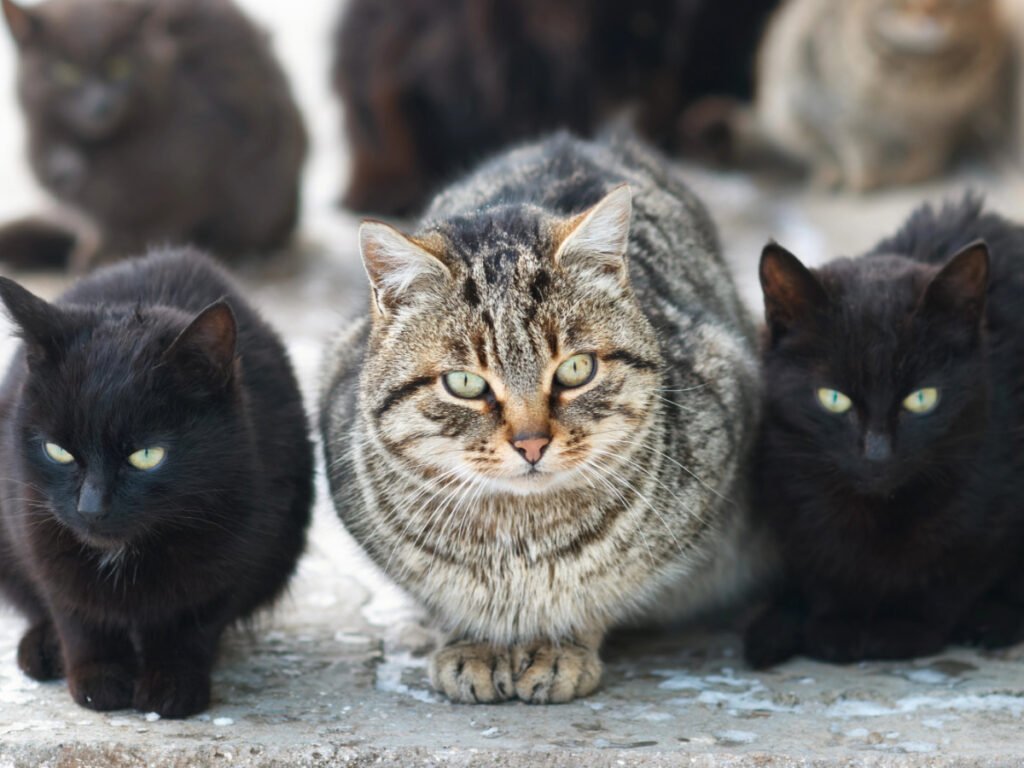
Many of us love animals and want to help them, especially when we see stray or feral cats roaming the neighborhood. It may feel like an act of kindness to leave food out for them—but what may seem like compassion can actually create bigger problems for the community, the environment, and even the cats themselves.
Feral Cats Are Not Domesticated Pets
Unlike tame house cats, feral cats are wild animals. They are not socialized to humans and do not thrive in close proximity to people. When fed regularly, feral cat populations tend to grow, leading to:
- Unwanted messes: These cats often relieve themselves in neighbors’ yards, flowerbeds, and driveways, creating unpleasant and unsanitary conditions.
- Loud disturbances: Mating season brings aggressive fighting and loud howling at all hours of the night.
- Damage to native wildlife: Feral cats are known to hunt native birds and small animals, contributing to environmental imbalance—something especially concerning in Hawaii’s delicate ecosystem.
Feeding Feral Cats Makes You Legally Responsible
According to the Hawaiian Humane Society, if you regularly feed feral cats, you are considered a caretaker. This means you are legally responsible for:
- Ensuring all cats are sterilized and properly identified
- Managing their health and well-being
- Preventing the cats from becoming a nuisance to others
From the HOA standpoint, it’s even more straightforward: if you are the caretaker, you are limited to no more than four animals, and they cannot roam freely in the neighborhood.
Feeding = Ownership
We need all residents to understand a simple truth:
“You feed it… you own it.”
That plate of food may seem harmless, but it makes you legally and ethically responsible for the animal. It also encourages more cats to gather, breed, and disrupt the peaceful enjoyment of our shared spaces.
What Can You Do Instead?
If you’re concerned about feral cats in the neighborhood:
- Do not feed them
- Report large or growing feral cat colonies to local animal control or the Hawaiian Humane Society
- Consider supporting humane trap-neuter-return (TNR) programs led by licensed organizations
Together, we can keep our neighborhood clean, quiet, and safe—for people, pets, and the local environment.